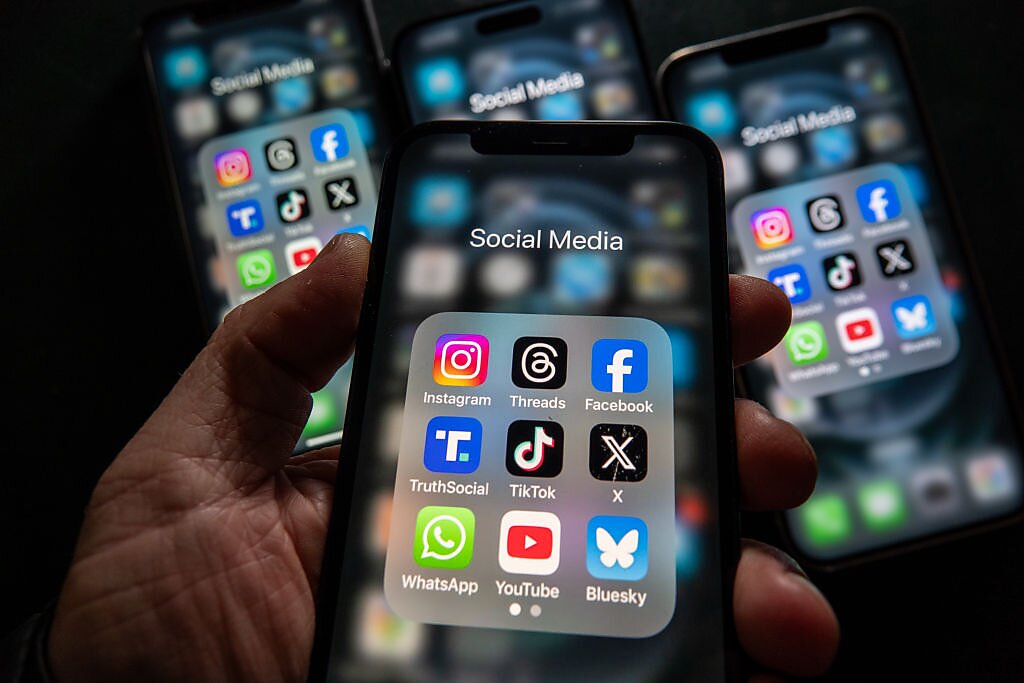
On Wednesday, July 22, the House Energy and Commerce Committee will hold a hearing on multiple consumer protection bills, including the App Store Freedom Act (ASFA). Supporters of ASFA claim that this bill will promote competition in the app store market by forcing developers of an electronic device’s operating system to allow the installation of third-party app stores, to allow the use of third-party payment processors, and a myriad of other restrictions. Ironically, the bill’s provisions would make the app store market less competitive by reducing covered companies’ ability to engage in competitive practices that make their products more appealing to potential customers. It would also have negative spillover effects in the hardware market by restricting hardware developers from offering closed-system products to customers and prescribing a business model as a whole.
Cato at Liberty
Cato at Liberty
Topics
Treasury Prevents $99 Million to Deceased Recipients Through Do Not Pay
Yesterday’s report by the Treasury Department shows that better pre-payment screening through the Do Not Pay (DNP) system can save taxpayers billions of dollars every year.
DNP is a data-sharing tool agencies use to cross-check applications against federal databases and flag improper payments before the money goes out the door. This saves taxpayers from footing the bill for agencies’ defaulting to the expensive and inefficient “pay and chase” approach of issuing erroneous payments and trying to recover them after the fact.
Related Tags
Decriminalization versus Legalization
A new study argues that recent drug decriminalizations in Oregon and Washington caused substantial increases in drug overdoses.
Is this plausible? And does it imply that prohibition is better than legalization?
Yes, and no.
Decriminalization means the elimination of criminal penalties for drug possession. Legalization means the elimination of criminal penalties for production and sale.
Related Tags
Inspector General Scrutiny Could Curb CFPB Overreach
The Consumer Financial Protection Bureau (CFPB) is suffering a crisis of institutional trust. Its woes have included the adoption of questionable legal theories, shifts in policy without public comment, and sending out poorly justified subpoenas. Reformers wonder how to address this trust crisis, and one option that might help is more intensive scrutiny by an Inspector General (IG).
Currently, the bureau shares an IG with the Fed. The draft CFPB Reform Act of 2026 would (among other reforms) give the bureau its own IG (as does H.R.2513). If lawmakers support rigorous IG evaluations of the bureau’s compliance with constitutional case law, with statute law, and with accepted standards for cost-benefit analysis, this type of measure could bolster the bureau’s accountability.
IGs are government watchdogs, conducting independent audits, inspections, and evaluations to combat waste, fraud, and abuse. Many audits are focused on financial or information technology issues. IG reports on the bureau usually cover topics such as purchase card management, payments to contractors, data security, or the management of the civil penalty fund. While valuable, such assessments do not get at the heart of the CFPB’s overreach.
Antitrust in the Streaming Age: Why the Paramount–Warner Deal Deserves a Modern Analysis
In July 2026, a group of 12 state attorneys general brought an antitrust challenge to Paramount’s takeover of Warner Bros. Discovery. Now, a judge has granted an order restraining the transaction for at least 14 days and preventing it from closing on July 22 as planned. It is possible that, regardless of the outcome of the case, the litigation could further delay the transaction.
The state case focuses on the potential impact of the transaction on movie theaters and basic cable distributors. But does this correctly understand the current entertainment market consumers experience?
Related Tags
DHS: We’ll “Direct” States to Remove Voters and Imprison Non-cooperators
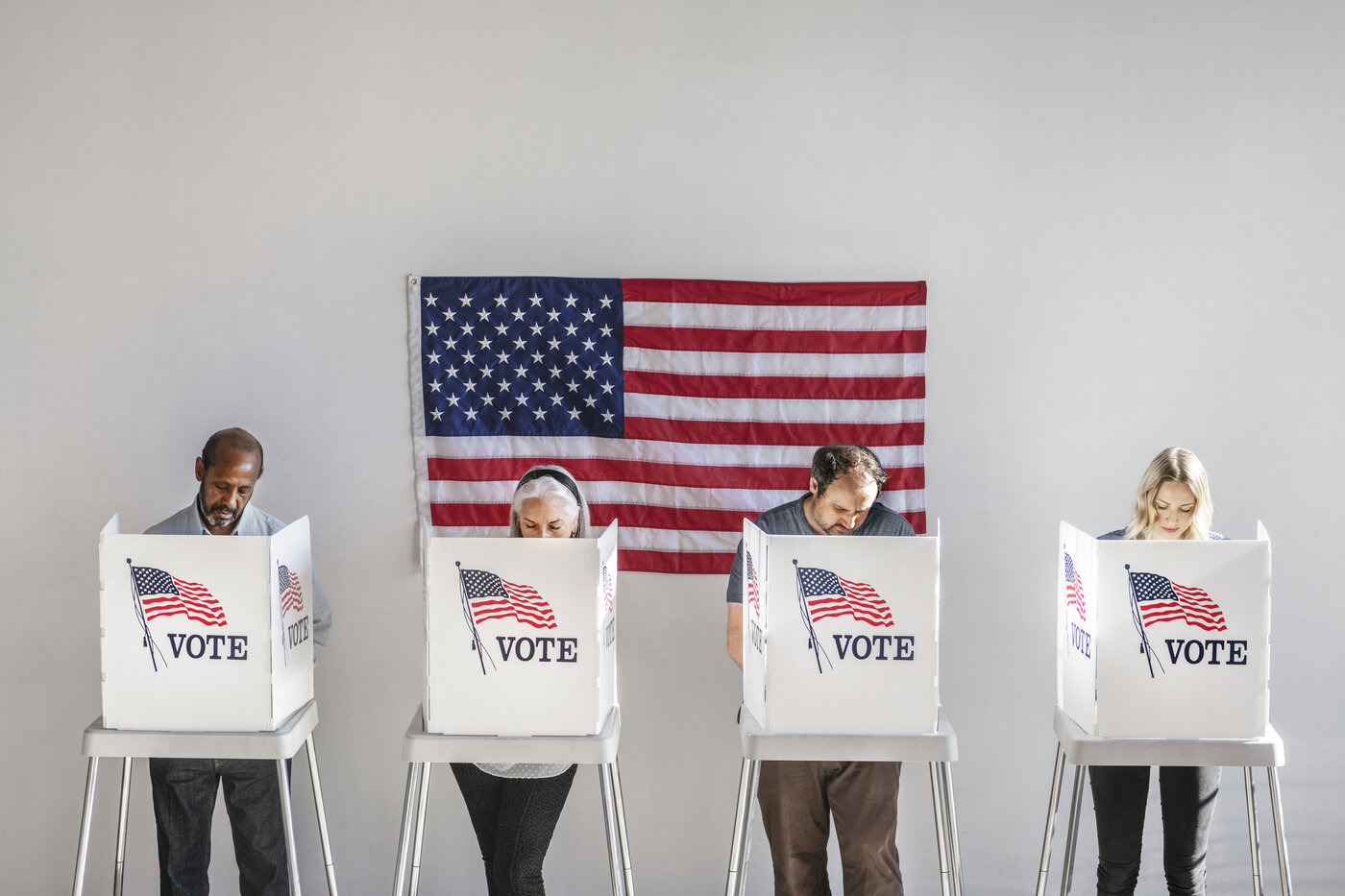
In his July 16 speech, as he has done many times before, President Donald Trump portrayed America’s election system as riddled by fraud, illegality, and hacking vulnerability. He did not speak much about policy; instead, as I interpret it, he laid out in advance his rationale for planning to meddle with the system’s operation between now and the November midterms (and most likely beyond that as well). While he has mostly not disclosed (and perhaps does not yet know himself) what form this meddling will take, we do get a glimpse of one aspect of it, especially in light of comments made the next day by Secretary Markwayne Mullin of the Department of Homeland Security.
In particular, Trump said he has “ordered DHS to notify every state about noncitizens on their voter rolls and direct them to remove all ineligible voters from the lists immediately.” Election law scholar Ned Foley identifies the central legal problem here: “I don’t believe that DHS has been given authority from Congress to ‘direct’ states to make changes to their voter rolls, and I don’t believe that the President has either statutory or constitutional authority to order DHS to issue this directive to the states.”
Related Tags
OPM to GAO: Take A Hike
The Government Accountability Office (GAO)—Congress’s investigative watchdog—usually gets at least grudging cooperation from executive branch departments and agencies when conducting its audits. Yesterday, GAO released a terse two-page “review” of the Office of Personnel Management’s (OPM) proposed reductions in force (RIF) and reorganization plans and activities that revealed how OPM reacted to GAO’s inquiries:
To supplement GAO’s analysis of publicly available data, GAO requested documentation from OPM regarding changes made to offices or programs since 2025, the rationale behind the closure or consolidation of offices, and processes for strategic workforce planning, among other information. Other than comments on a preliminary draft of this report, OPM did not provide any requested documents or information, nor did it agree to meet with GAO or respond to written questions. As a result, in this report, GAO is unable to provide complete information on what changes OPM made, its rationale, the expected costs and benefits, and any effect on OPM’s ability to fulfil its mission.