Menu

Main navigation

  • About
    • Annual Reports
    • Leadership
    • Jobs
    • Student Programs
    • Media Information
    • Government & External Affairs
    • Store
    • Contact
    LOADING...
  • Experts
    • Policy Scholars
    • Adjunct Scholars
    • Fellows
  • Events
    • Upcoming
    • Past
    • Event FAQs
    • Sphere Summit
    LOADING...
  • Publications
    • Studies
    • Commentary
    • Survey Reports and Polling
    • Books
    • Reviews and Journals
    • Public Filings
    LOADING...
  • Blog
  • Donate
    • Sponsorship Benefits
    • Ways to Give
    • Planned Giving
    • Meet the Development Team

Issues

  • Constitution and Law
    • Constitutional Law
    • Criminal Justice
    • Free Speech and Civil Liberties
  • Economics
    • Banking and Finance
    • Monetary Policy
    • Regulation
    • Tax and Budget Policy
  • Politics and Society
    • Education
    • Government and Politics
    • Health Care
    • Poverty and Social Welfare
    • Public Opinion
    • Technology and Privacy
  • International
    • Defense and Foreign Policy
    • Global Freedom
    • Immigration
    • Trade Policy
Live Now

Cato at Liberty


  • Blog Home
  • RSS

Email Signup

Sign up to have blog posts delivered straight to your inbox!

Topics
  • Banking and Finance
  • Constitutional Law
  • Criminal Justice
  • Defense and Foreign Policy
  • Education
  • Free Speech and Civil Liberties
  • Global Freedom
  • Government and Politics
  • Health Care
  • Immigration
  • Monetary Policy
  • Poverty and Social Welfare
  • Public Opinion
  • Regulation
  • Tax and Budget Policy
  • Technology and Privacy
  • Trade Policy
Archives
  • October 2021
  • September 2021
  • August 2021
  • July 2021
  • June 2021
  • May 2021
  • April 2021
  • March 2021
  • February 2021
  • January 2021
  • December 2020
  • November 2020
  • October 2020
  • September 2020
  • August 2020
  • July 2020
  • June 2020
  • May 2020
  • April 2020
  • March 2020
  • February 2020
  • January 2020
  • December 2019
  • November 2019
  • October 2019
  • September 2019
  • August 2019
  • July 2019
  • June 2019
  • May 2019
  • April 2019
  • March 2019
  • February 2019
  • January 2019
  • December 2018
  • November 2018
  • October 2018
  • September 2018
  • August 2018
  • July 2018
  • June 2018
  • May 2018
  • April 2018
  • March 2018
  • February 2018
  • January 2018
  • December 2017
  • November 2017
  • October 2017
  • September 2017
  • August 2017
  • July 2017
  • June 2017
  • May 2017
  • April 2017
  • March 2017
  • February 2017
  • January 2017
  • December 2016
  • November 2016
  • October 2016
  • September 2016
  • August 2016
  • July 2016
  • June 2016
  • May 2016
  • April 2016
  • March 2016
  • February 2016
  • January 2016
  • December 2015
  • November 2015
  • October 2015
  • September 2015
  • August 2015
  • July 2015
  • June 2015
  • May 2015
  • April 2015
  • March 2015
  • February 2015
  • January 2015
  • December 2014
  • November 2014
  • October 2014
  • September 2014
  • August 2014
  • July 2014
  • June 2014
  • May 2014
  • April 2014
  • March 2014
  • February 2014
  • January 2014
  • December 2013
  • November 2013
  • October 2013
  • September 2013
  • August 2013
  • July 2013
  • June 2013
  • May 2013
  • April 2013
  • March 2013
  • February 2013
  • January 2013
  • December 2012
  • November 2012
  • October 2012
  • September 2012
  • August 2012
  • July 2012
  • June 2012
  • May 2012
  • April 2012
  • March 2012
  • February 2012
  • January 2012
  • December 2011
  • November 2011
  • October 2011
  • September 2011
  • August 2011
  • July 2011
  • June 2011
  • May 2011
  • April 2011
  • March 2011
  • February 2011
  • January 2011
  • December 2010
  • November 2010
  • October 2010
  • September 2010
  • August 2010
  • July 2010
  • June 2010
  • May 2010
  • April 2010
  • March 2010
  • February 2010
  • January 2010
  • December 2009
  • November 2009
  • October 2009
  • September 2009
  • August 2009
  • July 2009
  • June 2009
  • May 2009
  • April 2009
  • March 2009
  • February 2009
  • January 2009
  • December 2008
  • November 2008
  • October 2008
  • September 2008
  • August 2008
  • July 2008
  • June 2008
  • May 2008
  • April 2008
  • March 2008
  • February 2008
  • January 2008
  • December 2007
  • November 2007
  • October 2007
  • September 2007
  • August 2007
  • July 2007
  • June 2007
  • May 2007
  • April 2007
  • March 2007
  • February 2007
  • January 2007
  • December 2006
  • November 2006
  • October 2006
  • September 2006
  • August 2006
  • July 2006
  • June 2006
  • May 2006
  • April 2006
  • Show More
November 20, 2020 4:05PM

100,000 Children in the Employment‐​Based Green Card Backlog at Risk of Family Separation

By David J. Bier

SHARE

Employment‐​based immigrants from India and China put up with a lot of bad governmental policies. Despite having wage offers far higher—on average—than immigrants from the rest of the world, these highly skilled immigrants face wait times for green cards (i.e., permanent residence) of a decade for Chinese to 8 decades for Indians, while nationals of other countries hardly wait at all. This is a consequence of the country caps that limit immigrants of any single birthplace to no more than 7 percent of the green card cap unless they would otherwise go unused.

This means that because nearly all of them are already here working on an H-1B visa, skilled workers from India and China are constantly fearing the prospect of being forced to leave the country if they lose their jobs. They are less likely to get promotions and have trouble changing jobs as a result of the stilted immigration rules for temporary workers. They cannot start businesses, and they must pay thousands of dollars to attorneys and the government to obtain repeated renewals of status. Each administration changes the rules for them, causing additional uncertainty.

But the worst indignity brought upon these talented future Americans is how the system treats their children. Every “minor” child of a temporary H-1B worker is entitled to H-4 temporary status. They are also entitled to a green card if their employer sponsors the worker for one. But the moment that the child turns 21, the government cancels their H-4 status and boots them from the green card queue. They must choose either leaving the country or finding another temporary status to jump to, such as a student visa.

These young people must fight to remain in the country that they have grown up in, graduated from high school in, and have built their lives in. Even if they obtain a student visa, they must then try to win an H-1B visa through the lottery system, where staying with their family and their adopted country is up to random chance. Of course, even if they get the H-1B visa, they are thrown to the back of a massive eight‐​decade long wait for green cards, even though they had already waited in line for a decade or longer with their parents.

High‐​skilled immigrants will suffer many indignities to stay in the United States—including nationality‐​based discrimination, closed job opportunities, unnecessary fees, and much else. But many will not tolerate this forced separation. I’ve spoken to hundreds of H-1B families and every single one has spoken of the stress and anxiety of the thought of having to choose between America and their children. EB-5 investors who are waiting for visas abroad face the choice of whether to come to the United States at all without their children.

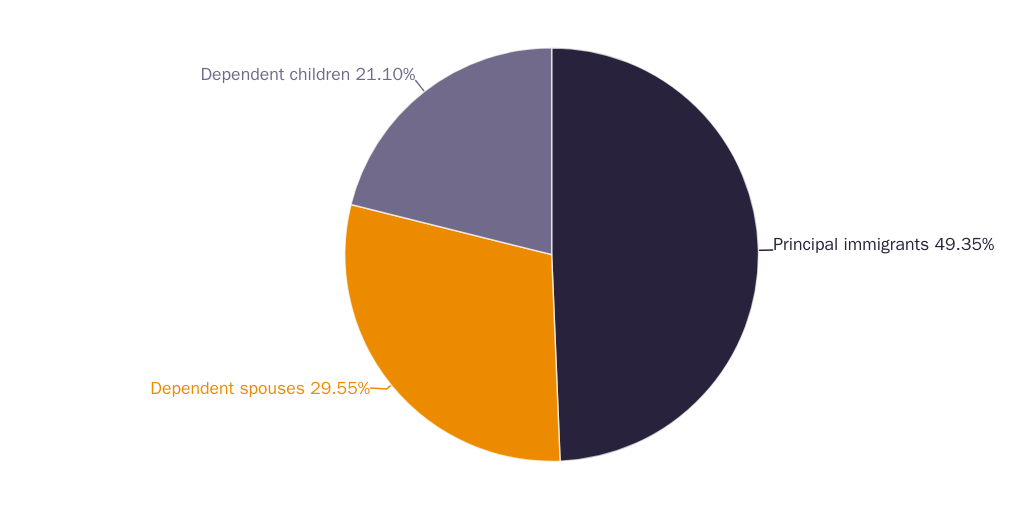
About one quarter of the employment‐​based immigrants who receive green cards are children. Based on this fact, Figure 1 estimates the composition of the green card backlog in April 2020, showing that about 253,293 children were waiting for green cards with their parents in 2020. That means a quarter of a million children are fearing the prospect of aging out of green card eligibility and status in the United States.
Of the children in the green card backlog, there are 157,064 from India, another 49,835 from China, and 46,394 from other countries. Figure 2 shows that Indian children represent 62 percent of the child green card backlog, Chinese 20 percent, and others 18 percent. Again, the fact that Chinese and Indians dominate the backlog is the result of the country caps where green cards are not issued proportionally to the number of pending applicants in each country but rather limited arbitrarily at 7 percent per nation of birth.
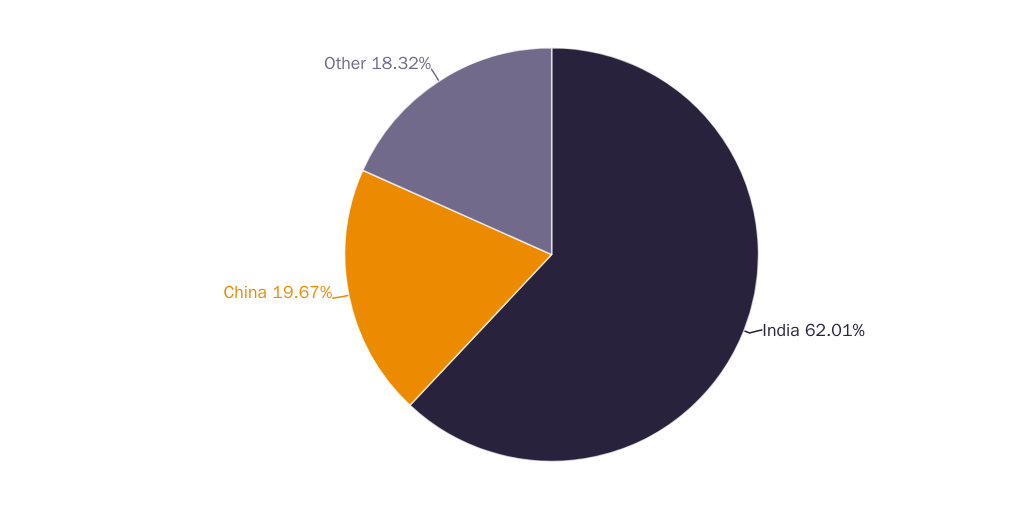
Figure 3 breaks down the child backlog by country and category as of April 2020. Almost 87 percent of the child backlog from India is in the EB-2 and EB-3 green card categories for employer‐​sponsored immigrants with master’s and bachelor’s degrees, while nearly 57 percent of the Chinese backlog are in the EB-5 investor category. Because nearly all EB-5 investors come from abroad and are not already working in the United States like those in the EB-2 and EB-3 categories, aging out for them would mean never coming to the United States at all. These investor families would have to decide whether to keep the family together or leave their children and immigrate.
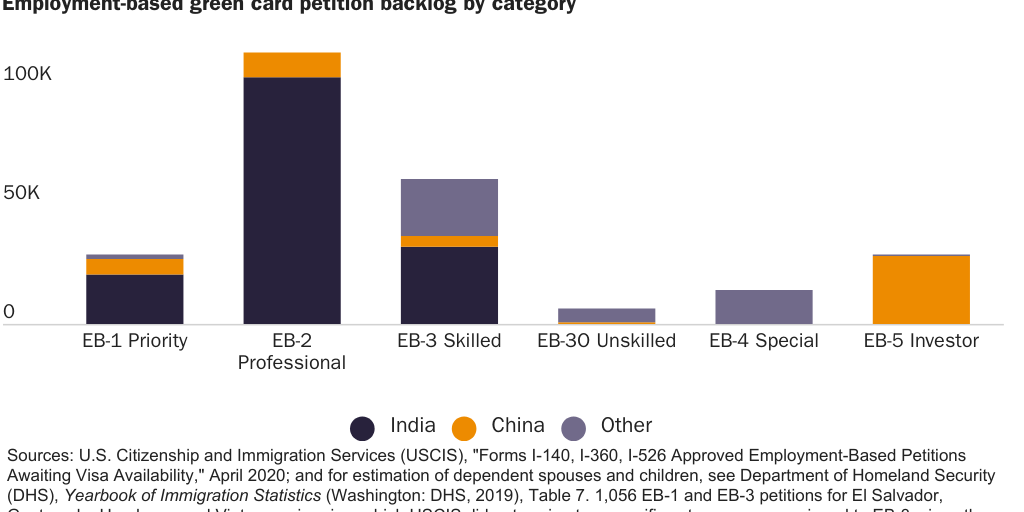
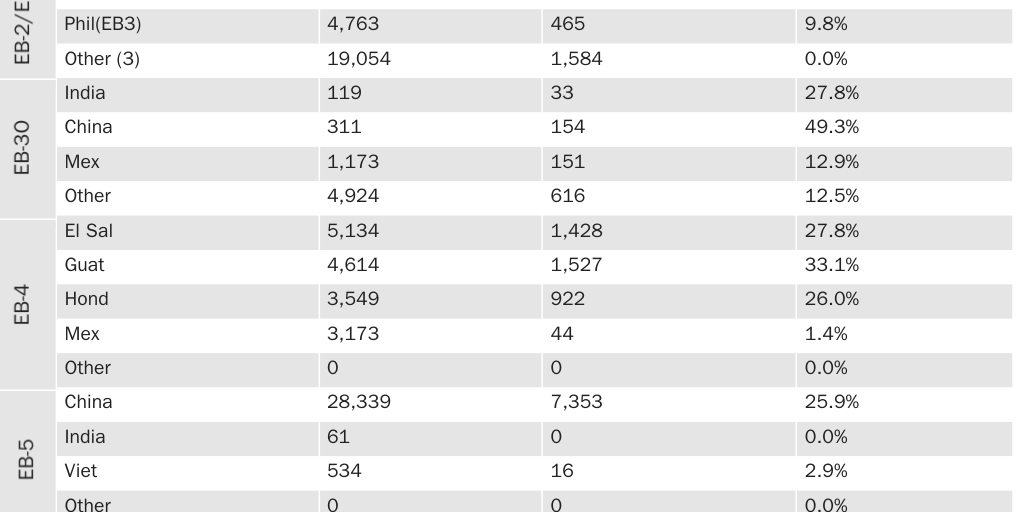
Table 1 shows how many immigrant children will age out in each category by country of origin at current rates of green card issuances (accounting for the 2021 increase from spillover of unused green cards from family‐​based categories). About 104,000 children will age out of eligibility over the next two decades. This is about 40 percent of the entire green card child backlog. More than four in five of the aging out children will come from India—a higher proportion than even their current share of the backlog (62 percent).
Congress should entirely repeal the employment‐​based green card limits, both the country caps based on birthplace and the category limits overall. But even if Congress does nothing else, it should stop the monumental injustice of aging out. The vast majority of these children grew up in America. This is their home. They should get to stay—just like the Dreamers in the DACA program should get to stay. This injustice harms America as well. More and more talented immigrants are going to Canada, Australia, and other countries because they treat their immigrants well: a reasonable and timely path to citizenship for them and their families. It’s the least they should expect.

Congress has no reason to continue to exclude legal dreamers from its paths to citizenship in bills like the Dream Act that provide for immigrants brought to the United States as children—essentially requiring a violation of the law to obtain citizenship. It’s senseless and unjust. Congress can and should do better.

Related Tags
Immigration
Creative Commons License
This work is licensed under a Creative Commons Attribution-NonCommercial-ShareAlike 4.0 International License.

Stay Connected to Cato

Sign up for the newsletter to receive periodic updates on Cato research, events, and publications.

View All Newsletters

1000 Massachusetts Ave. NW
Washington, DC 20001-5403
202-842-0200
Contact Us
Privacy

Footer 1

  • About
    • Annual Reports
    • Leadership
    • Jobs
    • Student Programs
    • Media Information
    • Government & External Affairs
    • Store
    • Contact
  • Podcasts

Footer 2

  • Experts
    • Policy Scholars
    • Adjunct Scholars
    • Fellows
  • Events
    • Upcoming
    • Past
    • Event FAQs
    • Sphere Summit

Footer 3

  • Publications
    • Books
    • Cato Journal
    • Regulation
    • Cato Policy Report
    • Cato Supreme Court Review
    • Cato’s Letter
    • Human Freedom Index
    • Economic Freedom of the World
    • Cato Handbook for Policymakers

Footer 4

  • Blog
  • Donate
    • Sponsorship Benefits
    • Ways to Give
    • Planned Giving
    • Meet the Development Team
Also from Cato Institute:
Libertarianism.org
|
Humanprogress.org
|
Downsizinggovernment.org